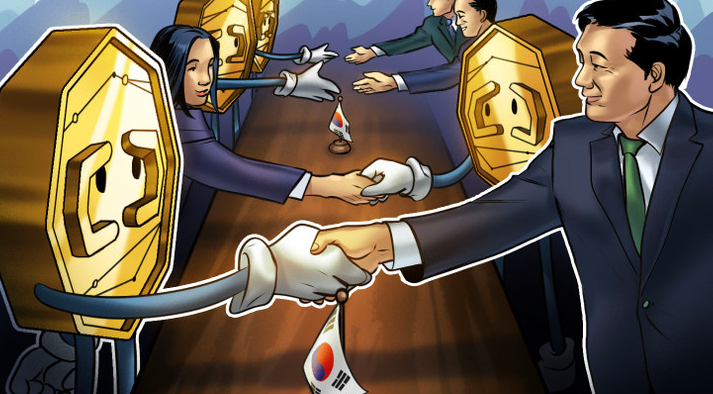
The Korean translation of the Bank of Korea`s (BOK) EU Market for Cryptoassets (MiCA) legislation released on Monday explored ICOs in a post. BOK stated that MiCA protects users and investors without hindering innovation.
The Bank of Korea wrote: [Through the introduction of encrypted asset supervision mechanism, promote blockchain and encrypted assets to promote the innovation of blockchain and encrypted assets, so as not to hinder the development of related industries due to excessive control, and then cultivate a good market."
"When the "Data Asset Framework Act" is promulgated in the future, it is necessary to allow domestic encrypted assets to institutionally carry out encrypted ICOs."
In 2017, South Korea banned ICO in the country, just as the ICO "crazy" led to the peak of global restrictions. The decision was controversial from the start. Since the ban was implemented, South Korean crypto companies have issued new crypto assets abroad and sold them in South Korea through domestic exchanges.
Related: South Korean Financial Watchdog Bans Dozens of Unregistered Exchange Websites
The Bank of Korea also commented on MiCA`s approach to controlling stablecoins, [Considering the pain of users` deposits in the Luna-Terra incident, choosing a stablecoin is necessary for MiCA-level control," adding:
[The role and responsibilities of the Bank of Korea, the monetary authority, and stable currency must be clarified when formulating the data asset framework law."
The stablecoin - now renamed TerraClassic (LUNC) - has caught the attention of the South Korean government in recent months after members of parliament began zeroing in on Terra (LUNA) investigating its bankruptcy. Members of the conservative People's Power Party loosened their grip on the crypto industry in March's election for South Korean President Yoon Suk-Yeol, which contributed to his election.